Many homeowners and contractors pour new concrete over an old surface to save time and labor. It can be an ideal solution if the original slab is stable and perfectly cleaned. Without solid preparation, however, the top layer may crack, chip, or fail to bond over time.
Nowadays, the most asked question is, Can you put concrete over concrete? This blog explains everything you need to know. Keep reading to learn when it works, how to do it right, and when to start fresh with a new slab.
When to Pour a New Concrete Layer
In some cases, adding new concrete over existing one is a practical and cost-effective option. However, the current slab must be in good condition and meet significant requirements. BellevueNebraskaConcreteContractors suggests these situations where pouring an additional concrete layer is appropriate:
- The existing surface is still strong and structurally sound, with no large cracks, deep pits, or loose sections.
- The surface is level and even, which allows the new cement layer to bond properly and maintain a smooth finish.
- The added thickness will not create problems with height, such as blocking doorways, drainage paths, or step alignments.
- The area does not experience frequent freeze-thaw cycles, reducing the risk of separation of layers over time.
- The new layer will not be exposed to high loads or constant pressure, making an overlay a safe choice.
- The existing slab has proper drainage and no signs of water pooling, which helps the new layer last longer and prevents moisture damage.
Thickness of New Concrete Layer
The thickness of a new layer poured over an existing cement surface depends on the purpose of the overlay and the expected load it will bear. For standard resurfacing or repair work, a minimum thickness of 1.5 to 2 inches is generally recommended. Thinner layers may not provide sufficient strength or durability, especially in high-traffic areas.
In cases where the new layer is intended to handle heavier loads or correct significant surface issues, a thicker pour of 3 to 4 inches or more may be necessary. Proper bonding and reinforcement methods, such as bonding agents or wire mesh, are essential to ensure structural integrity.
When Should You Repair or Replace the Current Surface?
Overlaying concrete is not always the most effective solution. In some situations, repairing or completely replacing the existing cement surface is safer and more durable. Identifying these conditions ensures long-term performance and prevents future structural concerns.
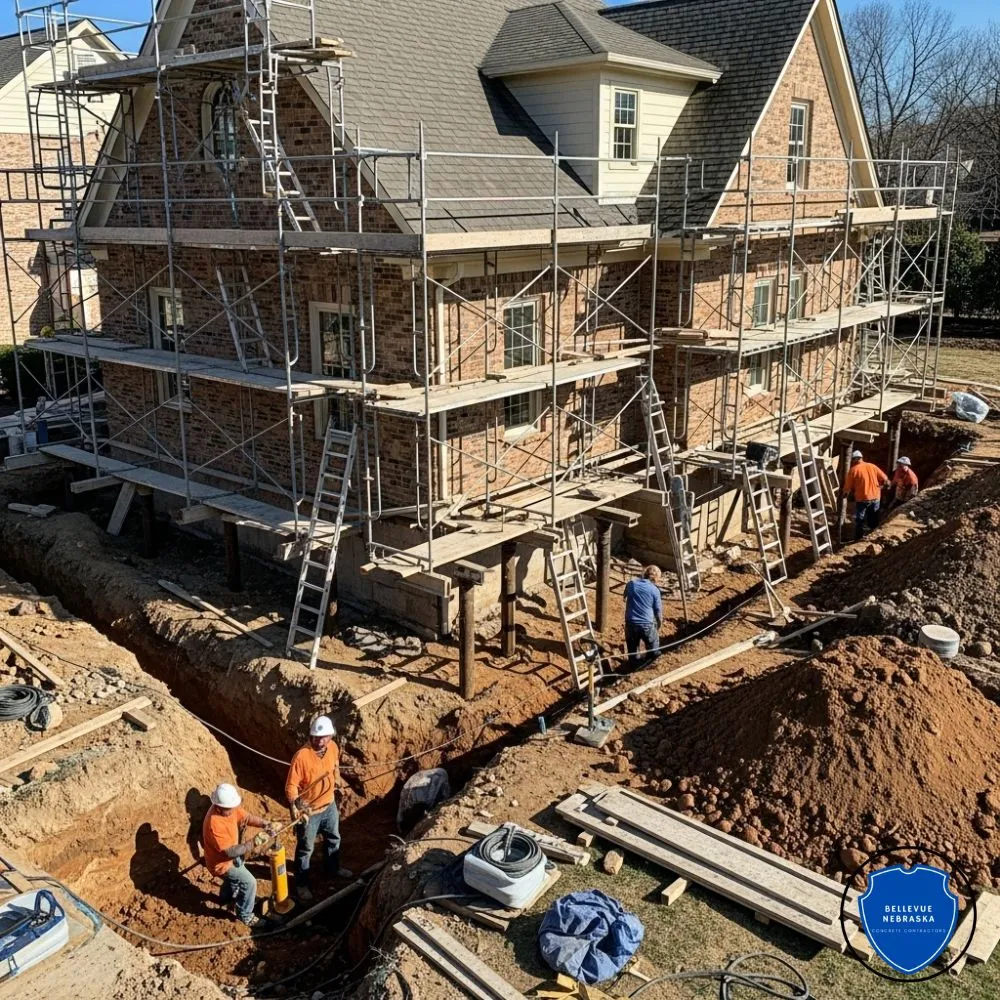
If adding a new overlay results in excessive height, it may obstruct doors, alter drainage flow, or pose tripping hazards. In such cases, complete removal and repouring is recommended. Likewise, tree roots beneath the slab can lead to continued shifting or lifting, which cannot be resolved by overlaying.
Widespread cracks or deep surface pits often indicate underlying structural issues. Covering them with a new layer does not address the root problem. If the existing surface is crumbling, scaling, or losing strength, it lacks the integrity to support a new overlay. Additionally, uneven surfaces or slabs that are sinking signal problems with leveling or subgrade stability. These conditions require removal and replacement to restore functionality and safety.
How to Pour The New Concrete Layer
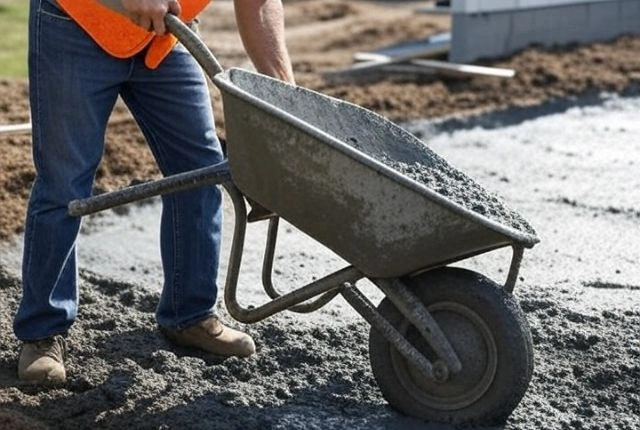
Applying a new cement layer over an old slab offers an affordable solution to refresh or strengthen existing surfaces. Proper cleaning, preparation, and bonding techniques are crucial to ensure a strong, durable bond. This guide covers the essential steps for a successful overlay pavement.
- Begin by thoroughly assessing the existing slab for structural integrity. Address any significant cracks, loose areas, or deterioration before proceeding.
- Clean the surface meticulously to remove all dirt, grease, oil, and debris. Utilize pressure washing or mechanical scrubbing to establish a clean foundation.
- Prepare the slab by mechanically roughening it with a grinder or applying acid etching. This process enhances the texture to promote adhesion.
- Apply a high-quality bonding agent uniformly across the prepared slab to facilitate a strong bond between layers.
- Mix the new cement following the manufacturer’s specifications and pour it evenly over the existing one.
- Level and smooth the freshly poured overlay using appropriate tools such as screeds and trowels to achieve a professional finish.
- Implement proper curing techniques, including covering with plastic sheeting or applying curing compounds, to maintain moisture and optimize strength development.
Advantages of Pouring a New Concrete Layer
Pouring a newly paved overlay over an existing concrete slab can be a practical and efficient solution for many construction and renovation projects. Whether you’re fixing up a driveway, patio, or floor, this method can save time and money while delivering solid results. Below are the key advantages of this approach:
- Cost-Effective: Skipping demolition and removal saves money on labor and disposal.
- Time-Saving: The process is quicker than tearing out the old one and starting from scratch.
- Improved Aesthetics: A fresh cement overlay can cover cracks, stains, and imperfections, giving the slab a clean, new look.
- Enhanced Durability: Adding thickness strengthens the surface, making it more resistant to wear and tear.
- Customization: Allows for decorative finishes, patterns, or additional features like pathways or retaining walls.
- Environmental Benefits: Reduces waste by avoiding unnecessary removal and disposal of old concrete.
Common mistakes to avoid when pouring new concrete
Pouring a new cement overlay over the existing slab can be a great solution, but there are several common mistakes to avoid to ensure a durable and long-lasting result:
- Skipping Surface Preparation: Failing to clean and roughen the old concrete can lead to poor adhesion and premature cracks.
- Neglecting Curing Time: Rushing the curing process weakens the cement overlay, reducing its strength and increasing the risk of damage.
- Ignoring Drainage Issues: If the existing slab has poor drainage, the new overlay may suffer from water pooling and deterioration.
- Not Using Bonding Agents: Without a bonding agent or mechanical reinforcement, the new overlay may not properly adhere to the old slab.
- Not Working with Experts: You can pour your concrete driveway. However, if you are doing it for the first time, then it’s recommended to work with experts. Without proper methods, you may end up with a mess, which can cost you a lot.
- Pouring Too Wet or Too Dry Mixture: Incorrect water content can weaken the bonding characteristics of the mixture, making it prone to flaking and premature failure.
Conclusion
Pouring new concrete over an existing slab is not always as simple as it sounds. Improper preparation, undetected issues beneath the surface, or ignoring drainage needs can lead to failure. Many homeowners in Bellevue, NE, find it difficult to make the right choice without professional insight.
Contact us today for expert concrete solutions to avoid guesswork and ensure a long-lasting result. With years of hands-on experience and a commitment to excellence, we make sure every project meets industry standards. From overlays to complete replacements, we deliver results you can trust.
Frequently Asked Questions
Is it better to replace concrete instead of adding a new layer?
Replacing the old surface is the better option when the existing slab has significant cracks, deep pits, uneven surfaces, or signs of structural failure. Adding a new overlay will not solve underlying problems and may lead to future damage.
Can you install decorative concrete on top of existing concrete?
You can install a decorative overlay over the existing concrete if the old surface is in moderate condition and clean. However, proper preparation is needed to ensure the new decorative layer sticks well and looks good.
How long does concrete need to cure before pouring over it?
The cement mixture needs to be cured for about 28 days before pouring new concrete over it. This curing time ensures the old concrete is dry enough, helping the new overlay stick well and last longer without cracking.
How long does a concrete overlay last?
A concrete overlay can last 10 to 20 years if done correctly. Its lifespan depends on how well the surface was prepared, the quality of materials, and how much traffic or weight it handles over time.
Does concrete overlay crack easily?
Concrete overlay does not crack if it is done the right way. Proper surface cleaning, using a bonding agent, and adding reinforcement help prevent cracks. However, poor preparation or movement underneath can still cause cracking over time.