You can pour your concrete driveway, but it requires skill, the right tools, and much hard work. Mistakes can lead to cracks, uneven surfaces, and drainage problems. If you are confident in your abilities and willing to put in the effort, it’s possible to do it yourself.
This article will guide you through the skills needed, the step-by-step process, and everyday challenges. You will learn to measure, prepare the site, and more.
Skills and Knowledge Needed To Pour Your Own Concrete Driveway
To pour your concrete driveway, you need proper skills and knowledge. It takes planning, the right tools, and a good process understanding. Before you start, you need to know the basics.
- Accurate Measuring—It is crucial to get the correct measurements. If you don’t measure correctly, you could have too much or too little concrete.
- Proper Site Preparation—A strong driveway starts with a solid base. You must clear the area, remove debris, and level the ground. When the base isn’t stable, the concrete may shift or crack over time.
- Mixing Concrete Properly—The right mix is essential for a durable driveway. If the concrete is too dry, it won’t bond well; if it’s too wet, it will be weak.
- Finishing Techniques—The concrete needs to be smoothed and finished after pouring; step affects how the surface looks and how long it lasts. You must use tools like a trowel or float to create a level, even finish.
- Knowledge of Proper Tools and Their Usage- You will need tools like a screed, bull float, and edger. Using them correctly will make the job easier and improve the final result.
- Identifying Mistakes- Even small mistakes can cause big problems. Recognizing issues like air pockets, uneven surfaces, or poor mixing can help you fix them before the concrete sets.
Step-by-Step Process Of Pouring Your Own Concrete Driveway
Pouring a concrete driveway is a big project, but with the proper preparation, it’s possible. Follow these steps to get a smooth and durable driveway.
1. Planning and Measuring
Before starting, decide on the size and layout of your driveway. Use stakes and string to outline the area. Measure carefully to avoid mistakes. The driveway should be at least 4 inches thick, and broader areas may require reinforcement. Also, check for proper slope to ensure water drains away from your house and doesn’t pool on the surface.
2. Excavation
Once you have the layout, start digging. You must remove grass, dirt, and debris to create space for the base and concrete. Excavate to a depth of 6–8 inches to allow room for a gravel base. Dig deeper and compact the soil to create a solid foundation if the ground is soft or uneven.
3. Prepare the Base
A strong base is key to preventing cracks and shifting. Spread a 4–6 inch layer of crushed gravel or stone evenly over the excavated area. Use a plate compactor to press the gravel down firmly. If the base is not solid, your concrete may develop weak spots over time.
4. Install Forms
Forms act as a mold to hold the concrete in place while it sets. Use wooden boards (typically 2x4s) to create a frame along the driveway’s edges. Ensure the forms are straight and level, and secure them with wooden stakes. Double-check the slope to ensure proper drainage.
5. Add Reinforcement
Reinforcement strengthens the concrete and helps to prevent cracking. You can use steel rebar or wire mesh. Lay the reinforcement inside the forms, keeping it elevated to sit within the concrete rather than on the base. You can use small bricks or wire chairs to keep it in place.
6. Mix and Pour Concrete
You can mix concrete in a wheelbarrow or mixer while working on a small driveway. For larger projects, ordering ready-mix concrete is more effortless and ensures consistency. Start pouring the concrete at one end and work your way to the other. Spread it evenly using a shovel or rake, ensuring it reaches all corners of the forms.
7. Level and Screed the Concrete
After pouring, use a screed board (a long, straight piece of wood or metal) to smooth the surface. Move the board back and forth across the top of the forms to remove excess concrete and fill in low spots. This step ensures an even thickness across the driveway.
8. Float and Edge the Surface
Once the surface is leveled, use a bull float to smooth it out and push down any gravel or air bubbles. After that, use an edging tool to round the edges, preventing chipping. If you want a textured finish for slip resistance, drag a broom lightly over the surface before the concrete fully sets.
9. Cure the Concrete
Curing is one of the most critical steps. It helps the concrete gain strength and prevents cracking. Keep the surface damp by misting it with water several times a day for at least a week. You can also cover it with plastic sheeting to hold in moisture. Avoid walking on it for at least 24–48 hours and wait about a week before driving.
10. Remove Forms and Clean Up
After the concrete has fully cured, carefully remove the wooden forms. Fill any gaps along the edges with dirt or gravel. Clean your tools immediately, as dried concrete is challenging to remove.
Challenges You May Face When Pouring Your Own Concrete Driveway
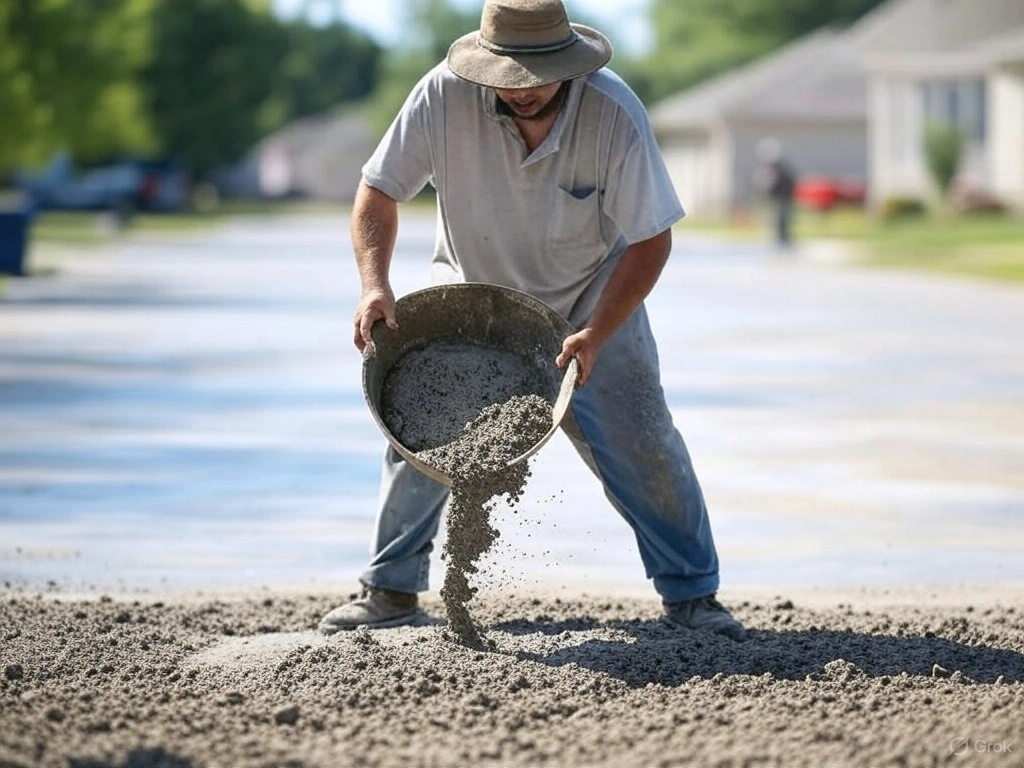
Pouring a concrete driveway is not as simple as it seems. Several challenges can affect the quality and durability of your project. Knowing what to expect can help you avoid costly mistakes.
Weather Conditions
Weather plays a significant role in concrete work. If it’s too hot, the concrete can dry too fast, leading to cracks. In case of cold weather, it may not set properly. Rain can also wash away the surface before it hardens. Always check the forecast and choose a dry, mild day for pouring.
Uneven Surfaces
A level surface is key to a strong driveway. If the ground isn’t adequately prepared, the concrete may settle unevenly, leading to weak spots and cracking over time. Compact the base and check for any dips or high spots before pouring.
Cracking
Cracks are one of the most common problems with concrete. They can happen due to poor mixing, improper curing, or ground movement. Reinforcing the concrete with rebar or wire mesh helps prevent cracking. Proper curing, like keeping the surface moist, also reduces the risk.
Lack of Experience
Those who have never worked with concrete before can find it overwhelming. Mixing, pouring, and finishing requires skill, and mistakes can lead to an uneven or weak driveway. Watching tutorials or practicing on a small project first can help build confidence.
When To Hire A Professional?
Pouring a concrete driveway is a big job. Without proper experience, it can be challenging to get it right. Mistakes can lead to cracks, uneven surfaces, or drainage issues.
You can hire Bellevue, Nebraska, Concrete Contractors. We have the tools and skills to ensure a smooth, durable finish. Our experts also know how to handle weather conditions and reinforcement properly.
Conclusion
While you can pour your concrete driveway, it’s a tough and time-consuming job. Small mistakes can lead to cracks, uneven surfaces, and drainage problems. It’s best to trust the experts for a high-quality, long-lasting driveway.
We specialize in professional concrete services. Our team will handle everything from site preparation to finishing, ensuring a smooth and durable result. Save yourself the hassle and get a driveway built to last. Contact us today for a free estimate and let our experienced team do the work for you!
Frequently Asked Questions
1. Can I pour a concrete driveway myself, or should I hire a professional?
While it’s possible to pour your concrete driveway, it requires skill and plenty of time. If you’re not experienced, hiring a professional is usually best to ensure the job is done correctly and lasts.
2. What is the best weather for pouring concrete?
The ideal weather for pouring concrete is mild and dry, with temperatures between 50°F and 75°F.
3. How long must I wait before using my concrete driveway?
You should avoid walking on your driveway for at least 24–48 hours. Then, you must wait about 7 days before driving.